 NEWS
NEWS
EMBASSY OF TURKMENISTAN IN UKRAINE PRESENTED THE ART OF TURKMEN CARPET-WEAVING AND EMBROIDERY IN CELEBRATION OF TURKMEN CARPET DAY
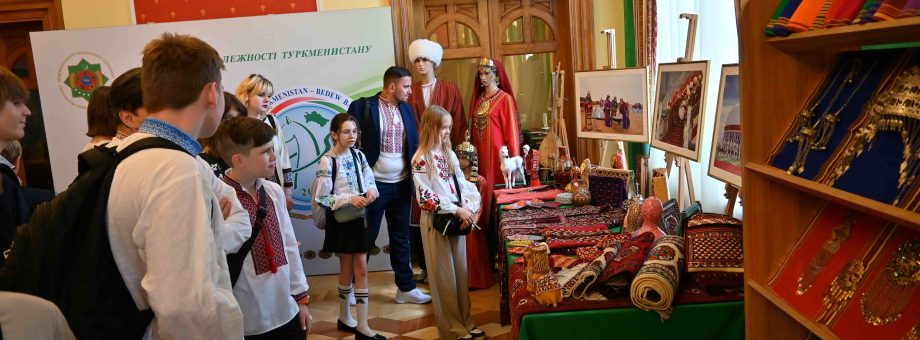
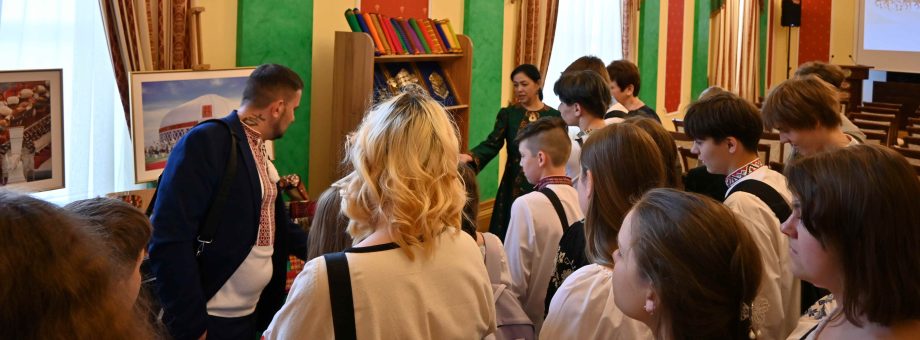
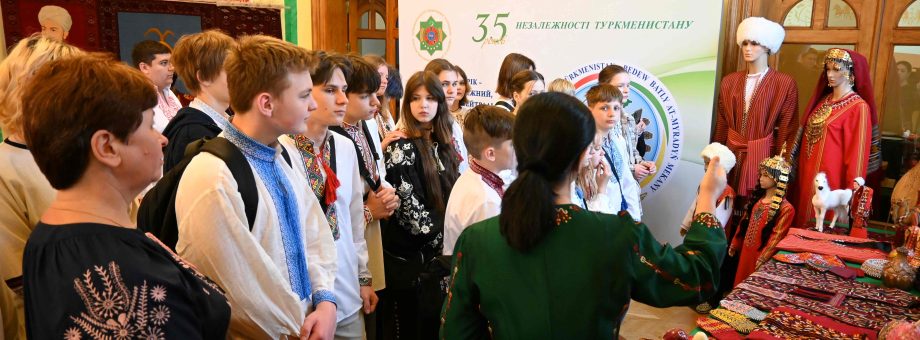
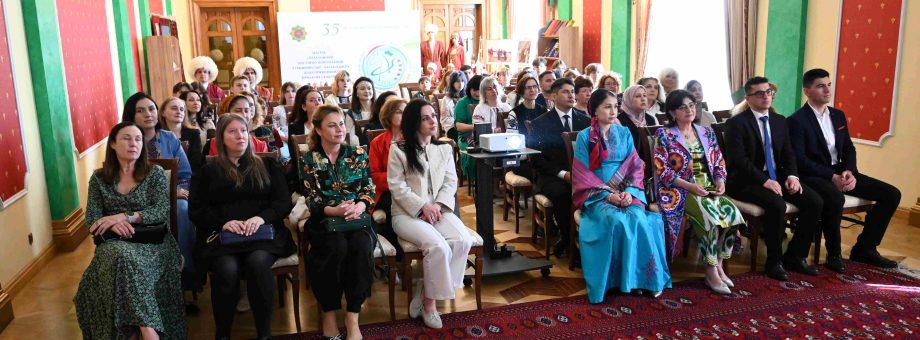
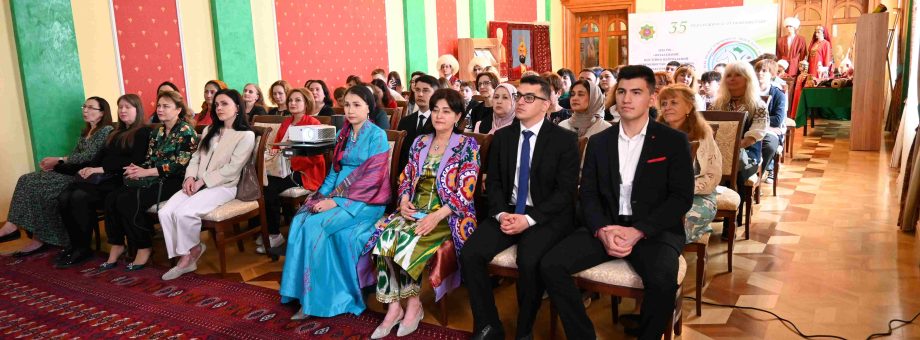
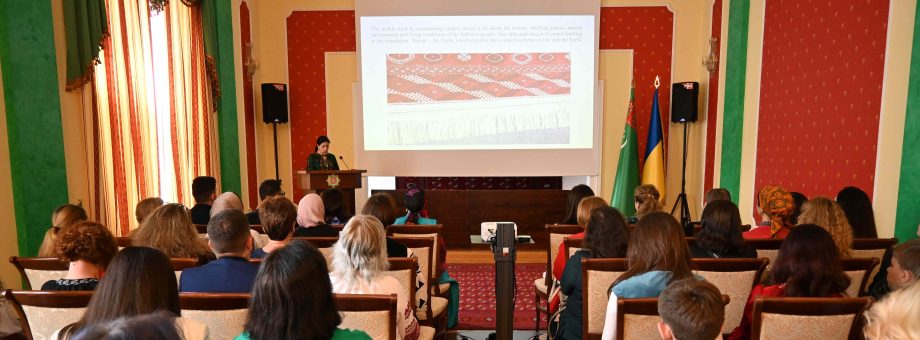
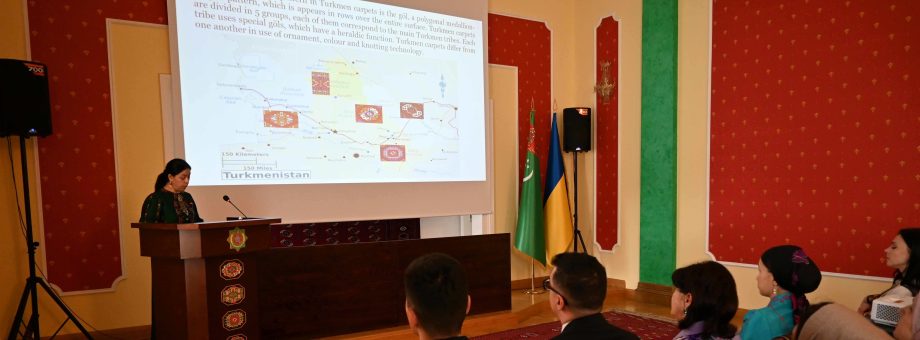
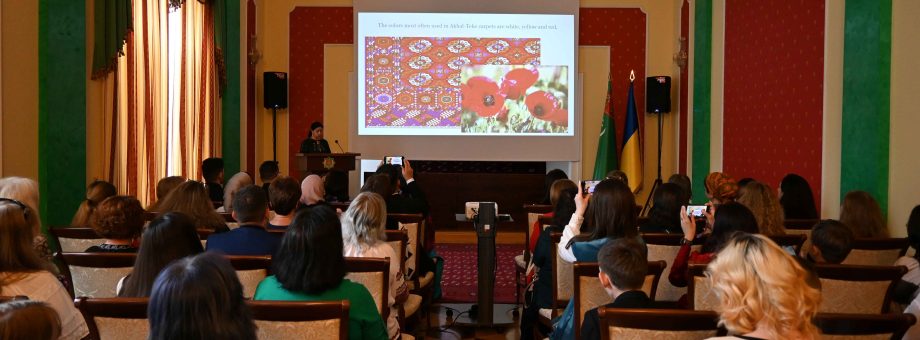
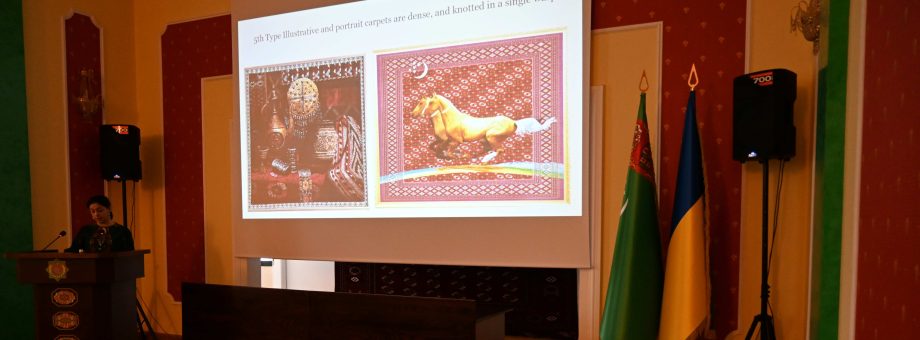
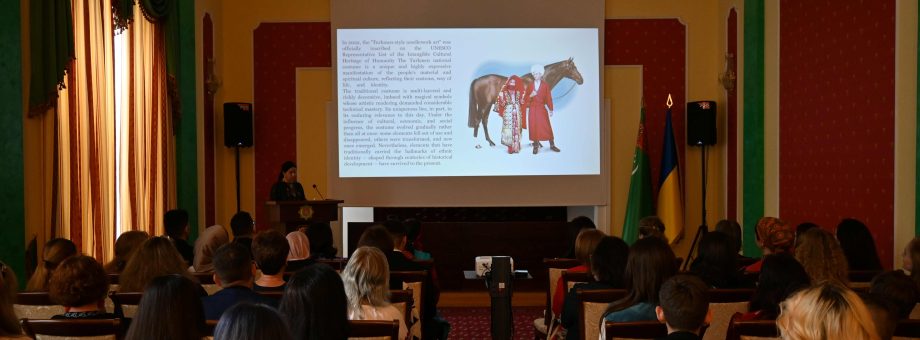
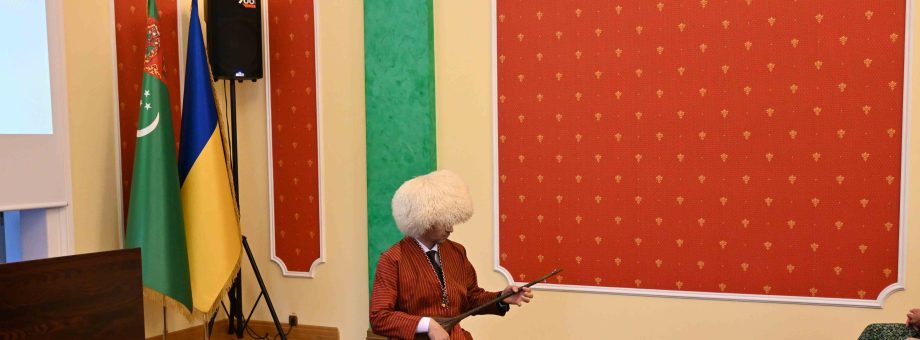
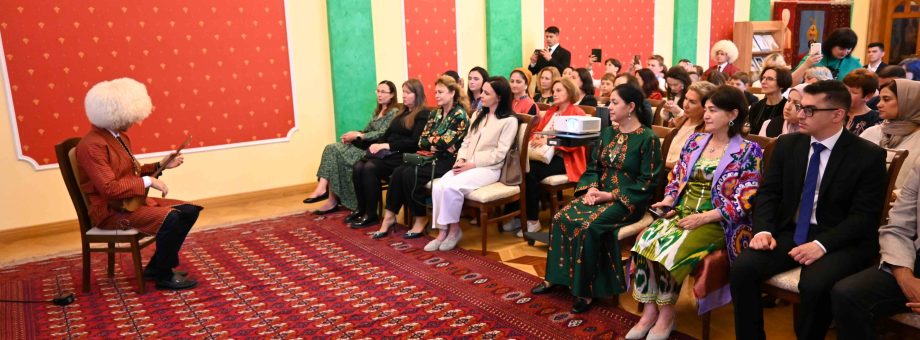
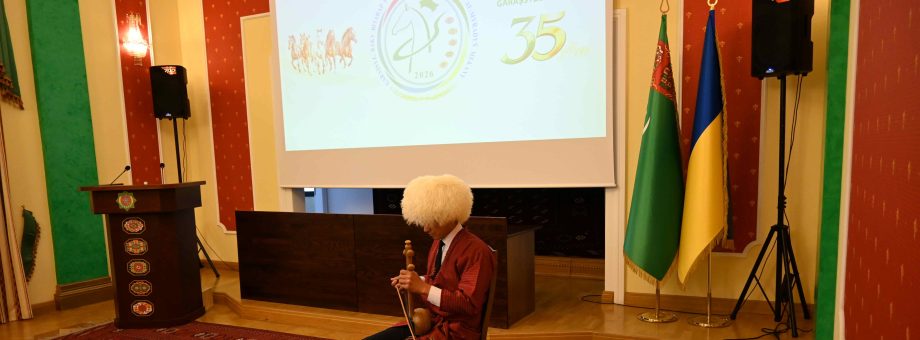
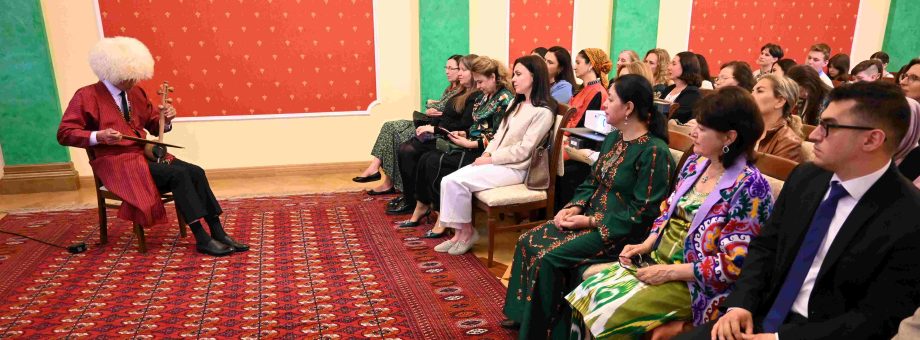
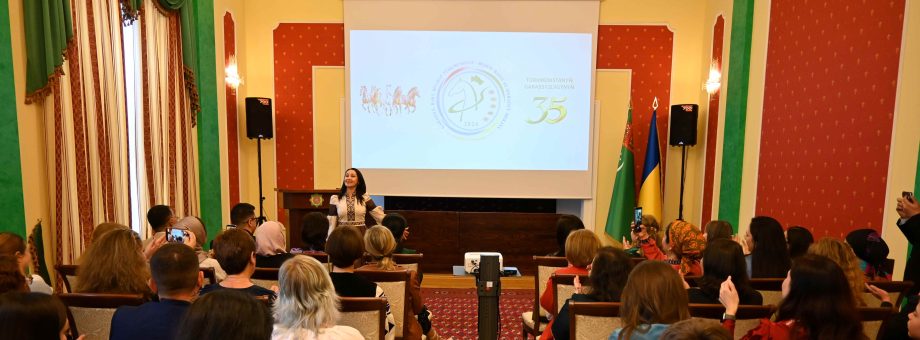
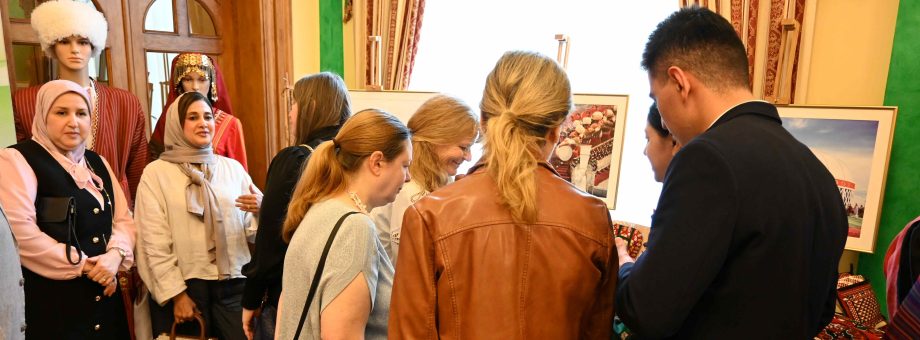
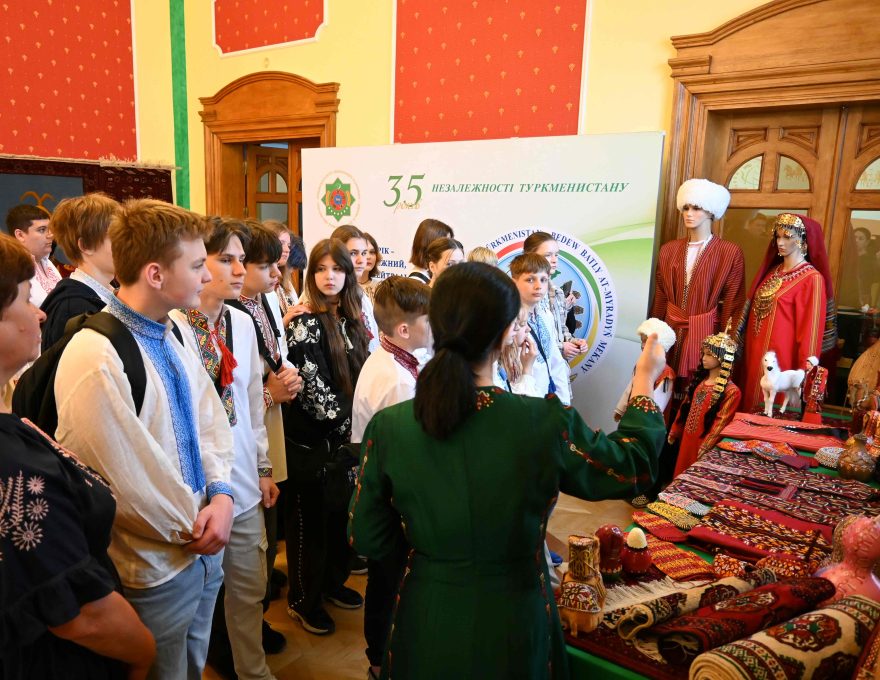
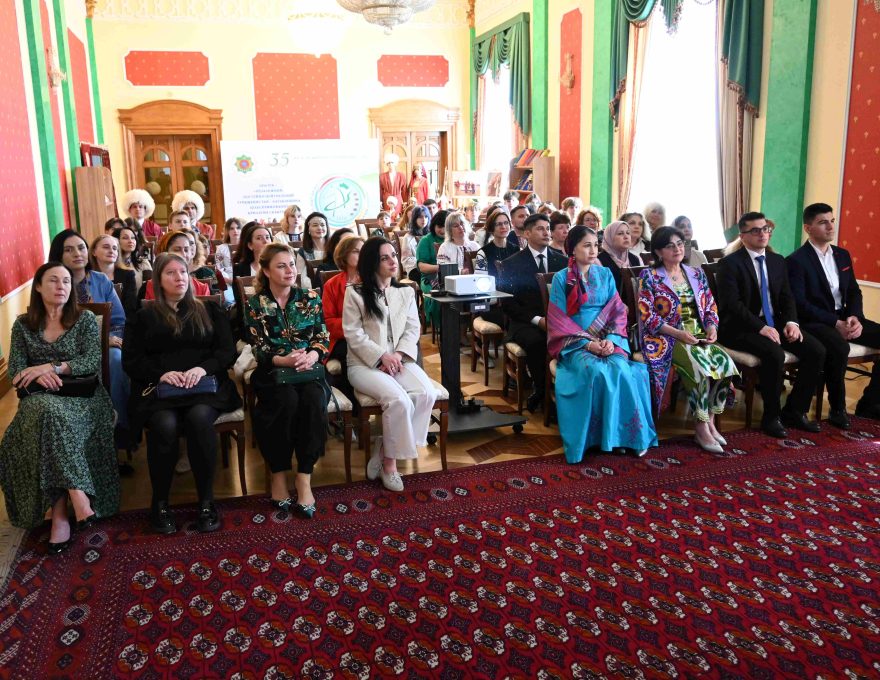
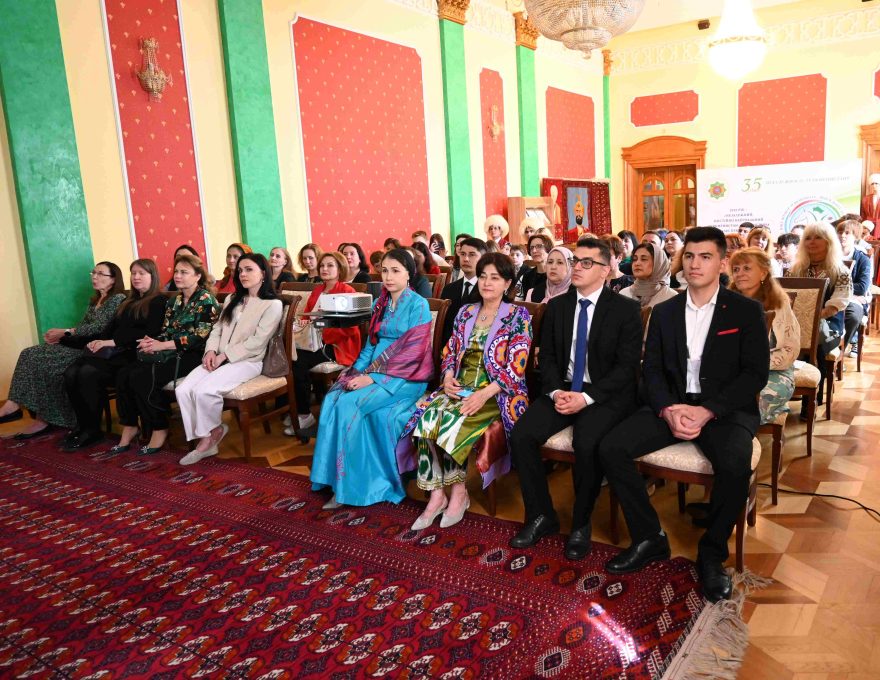
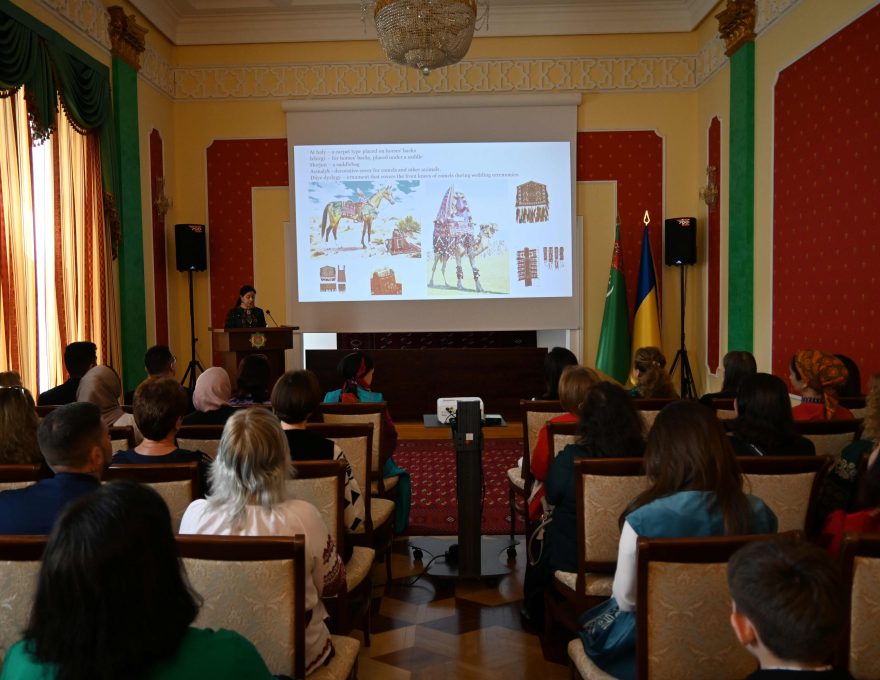
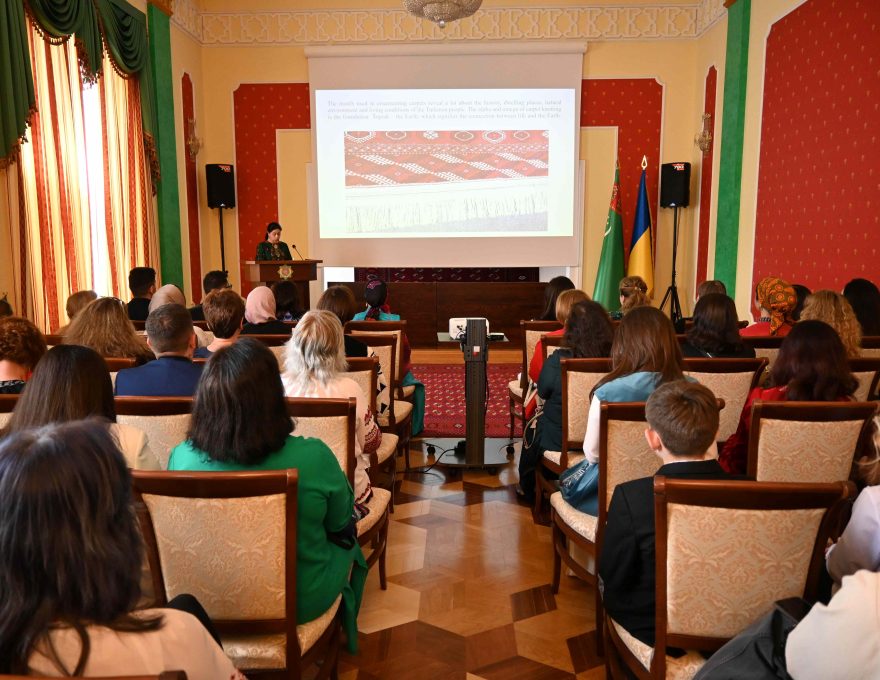
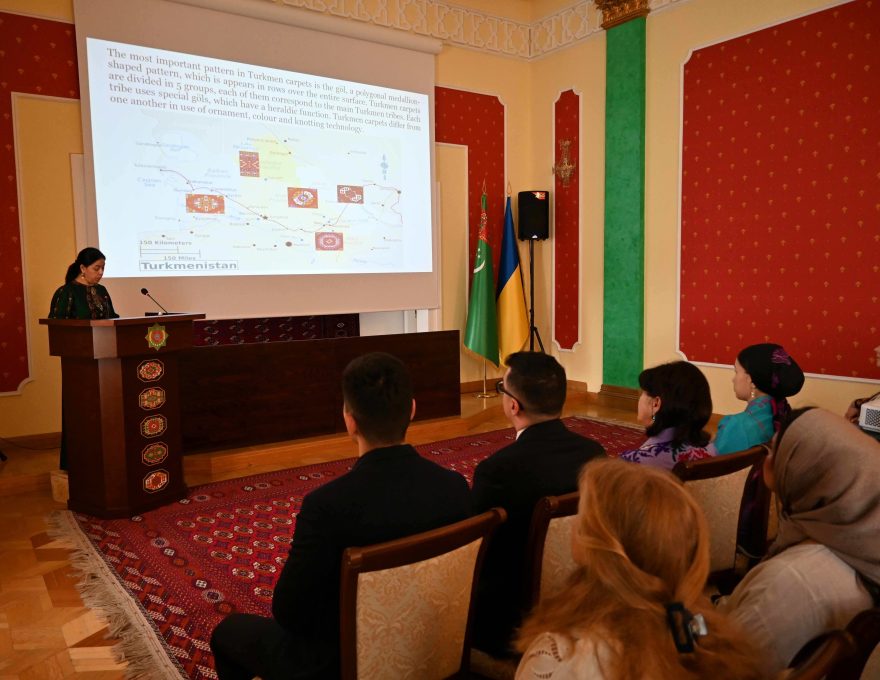
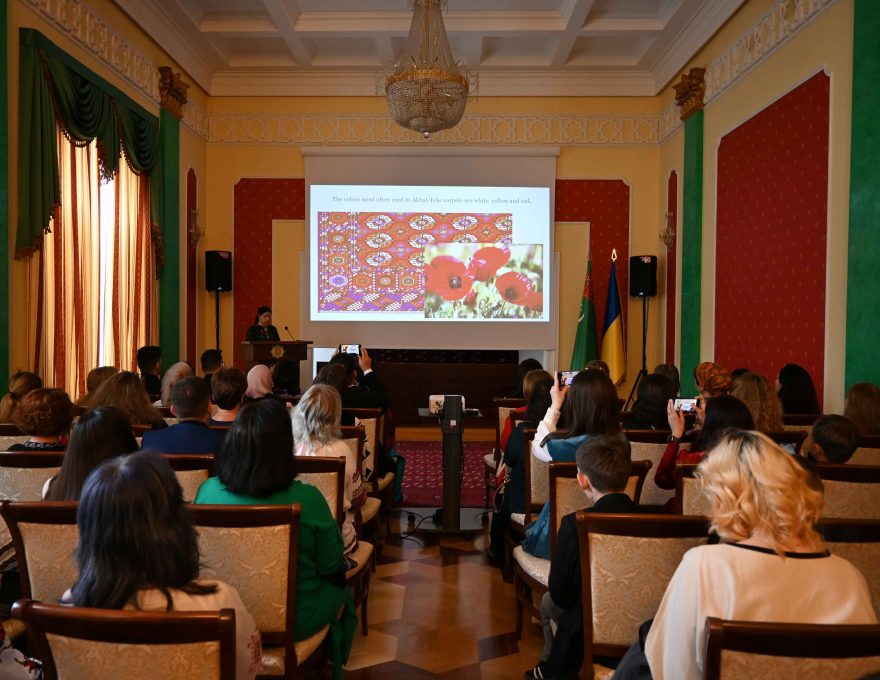
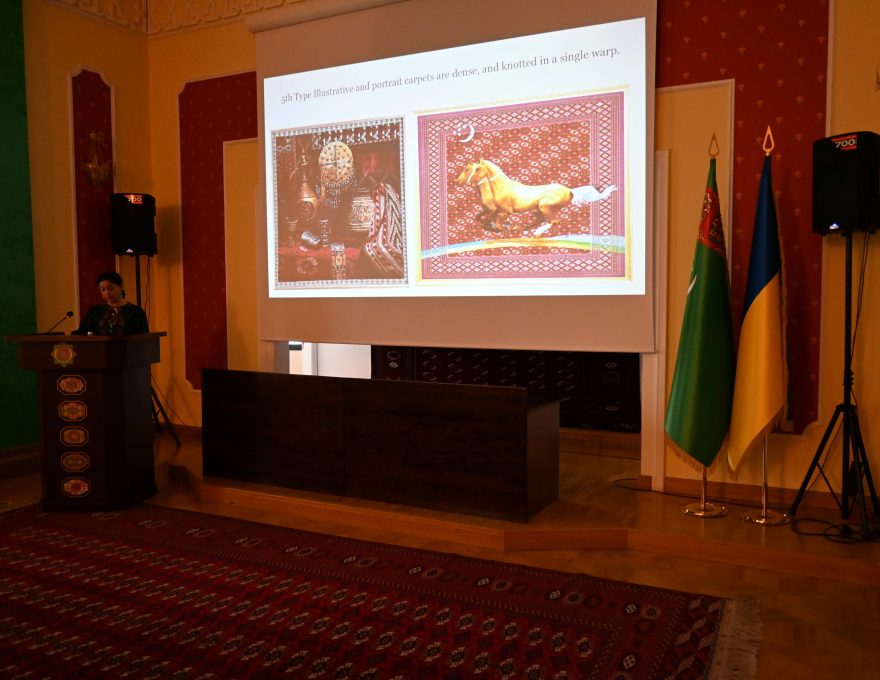
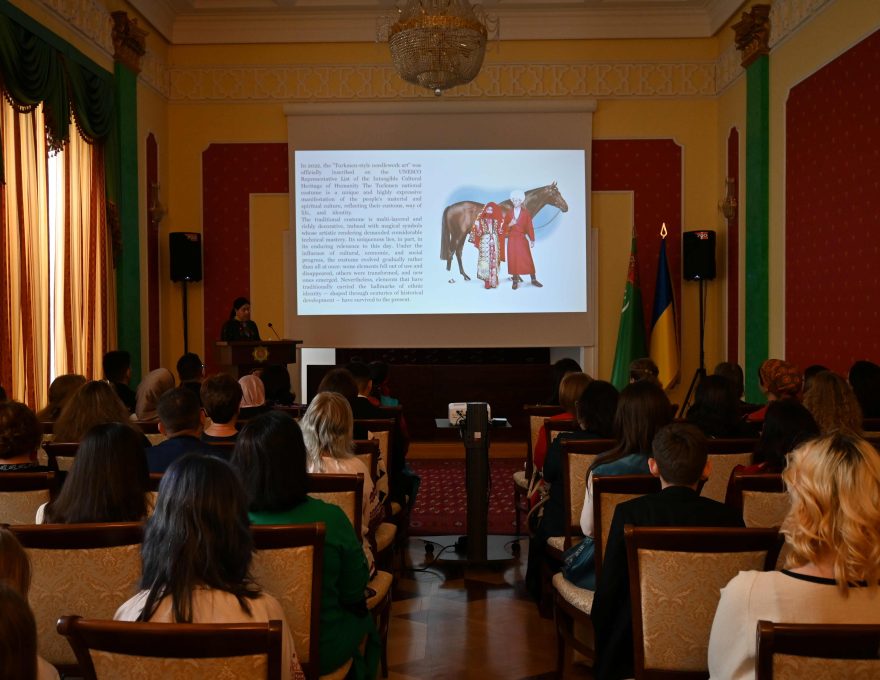
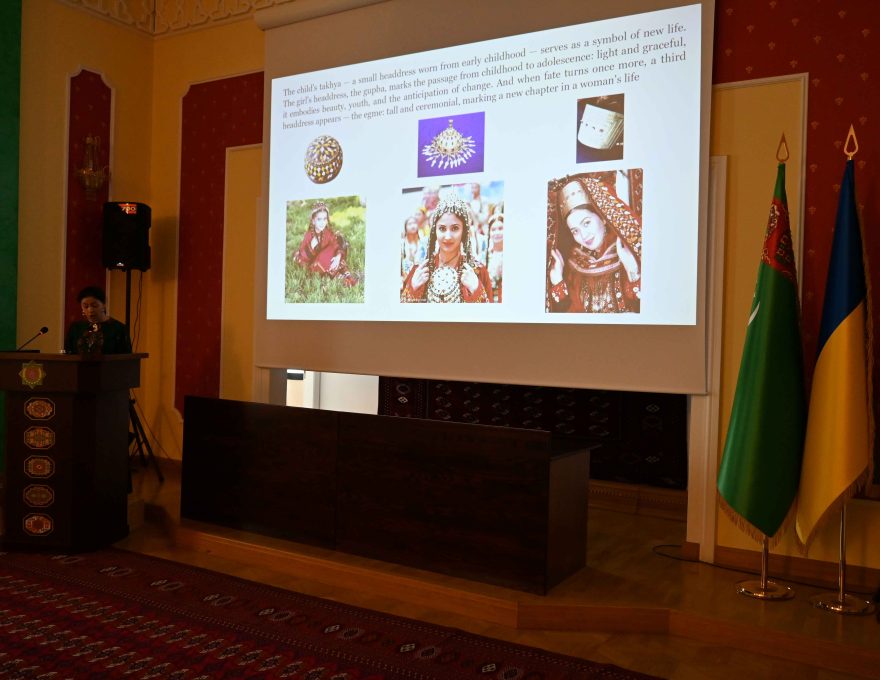
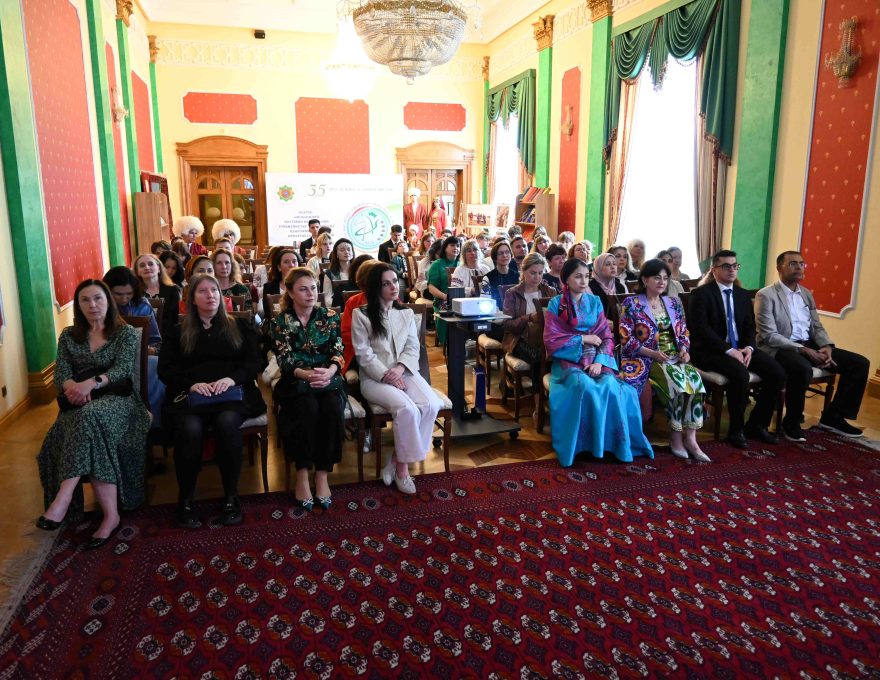
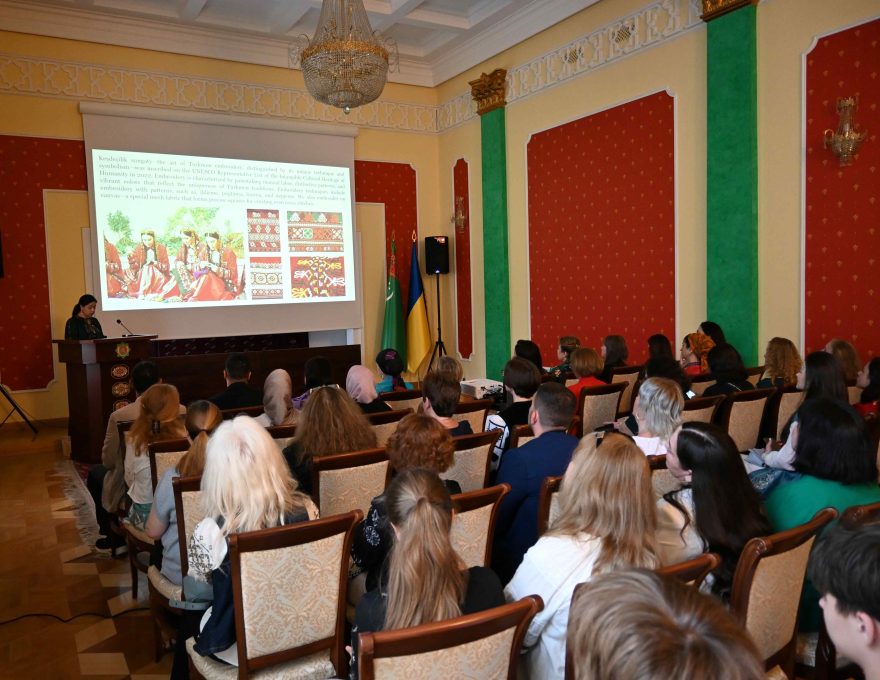
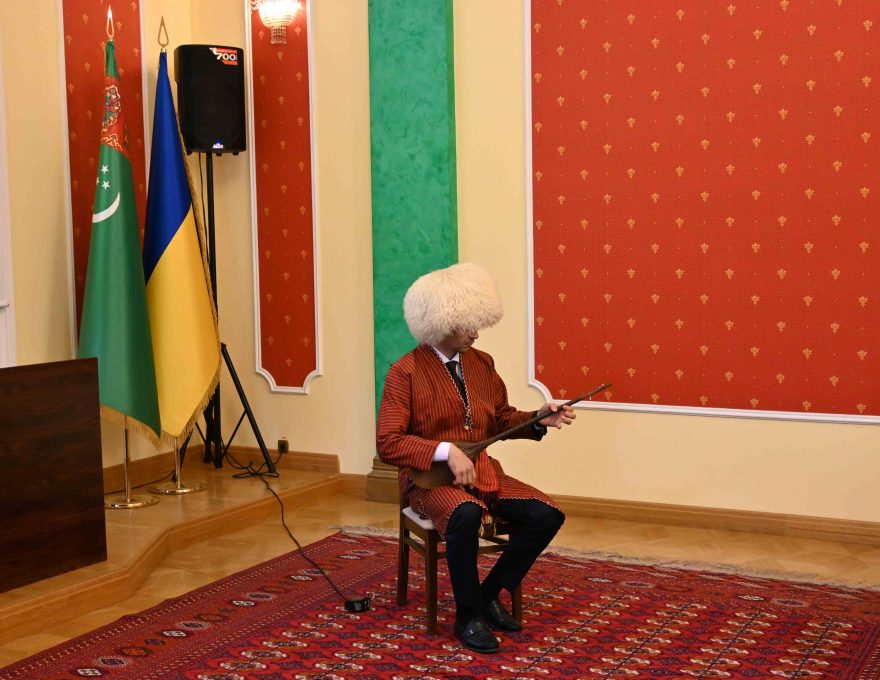
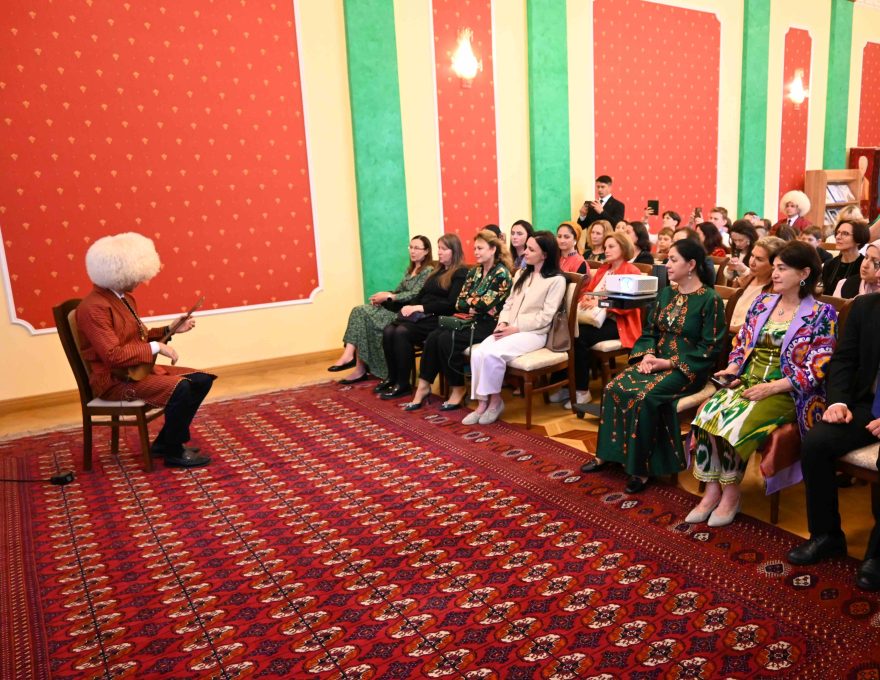
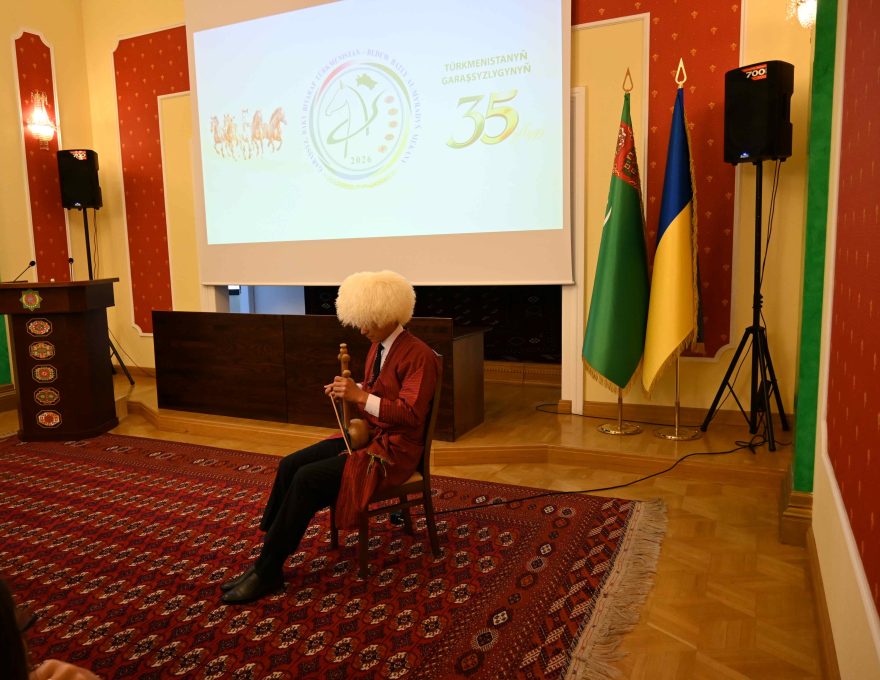
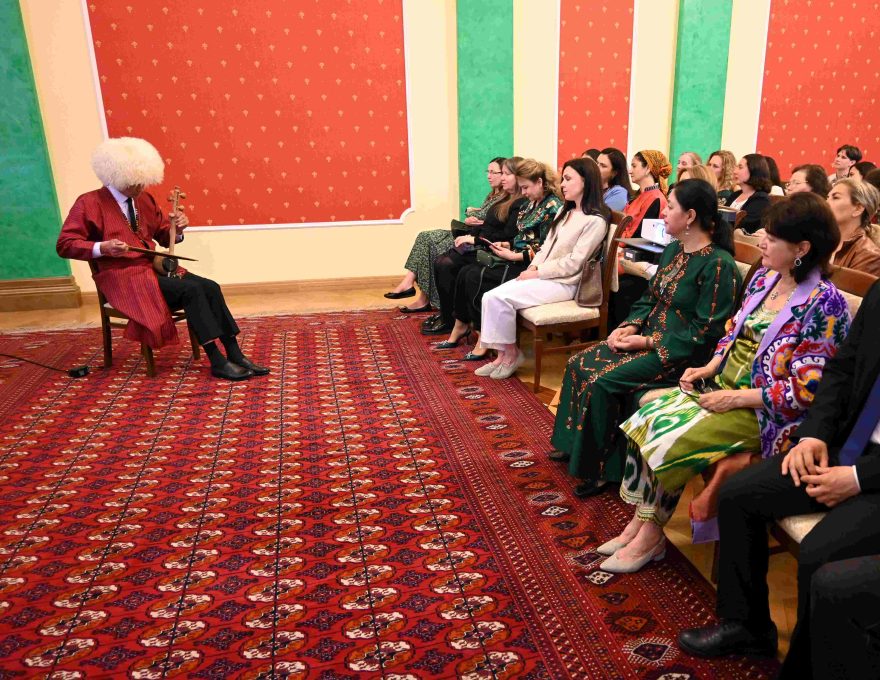
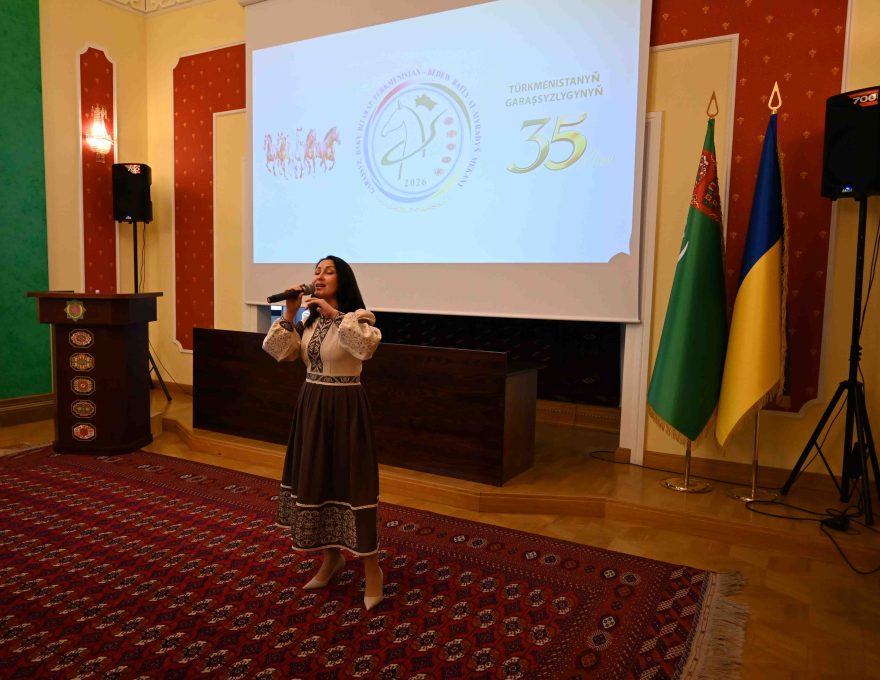
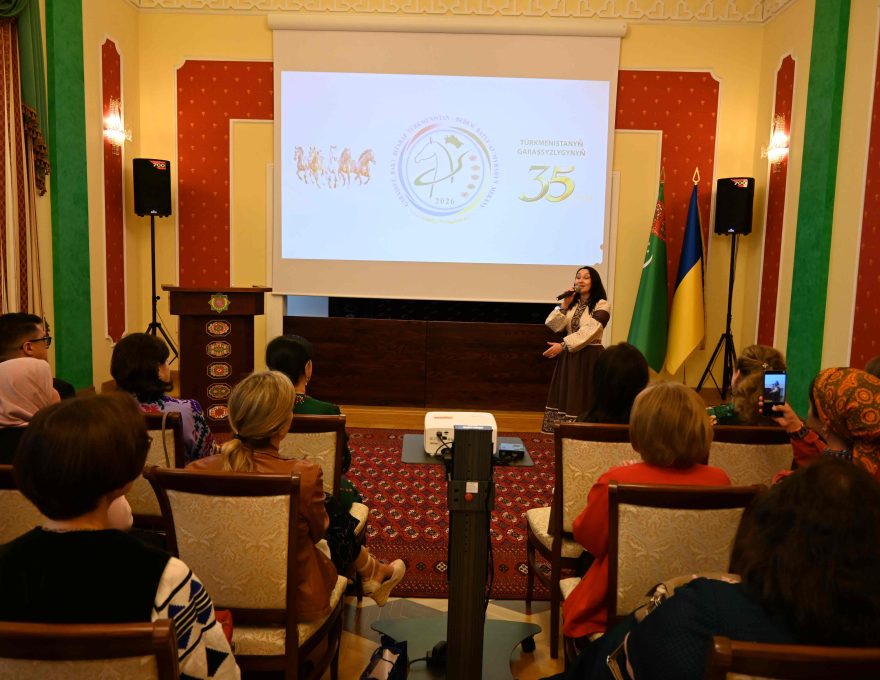
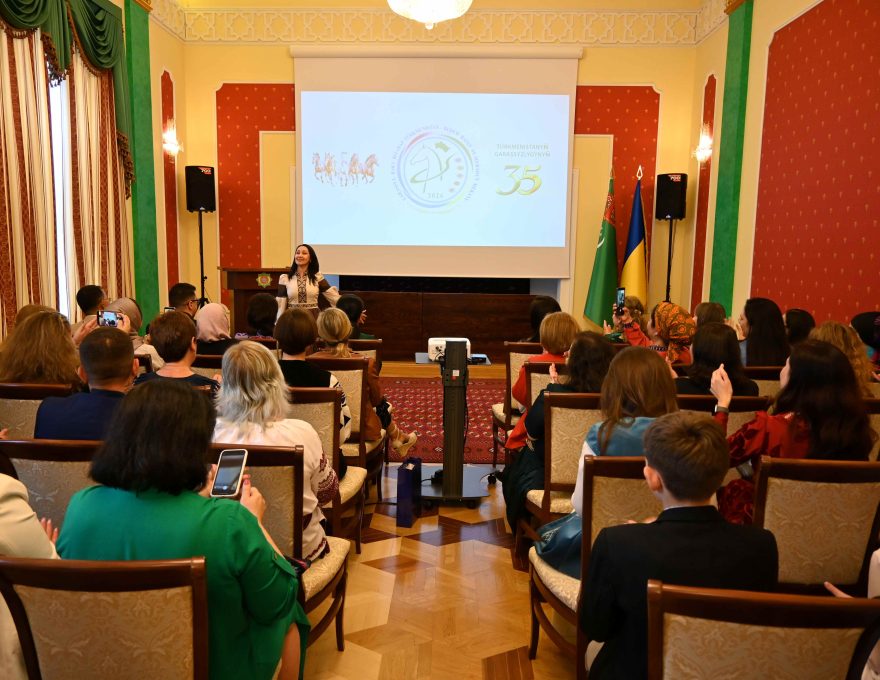
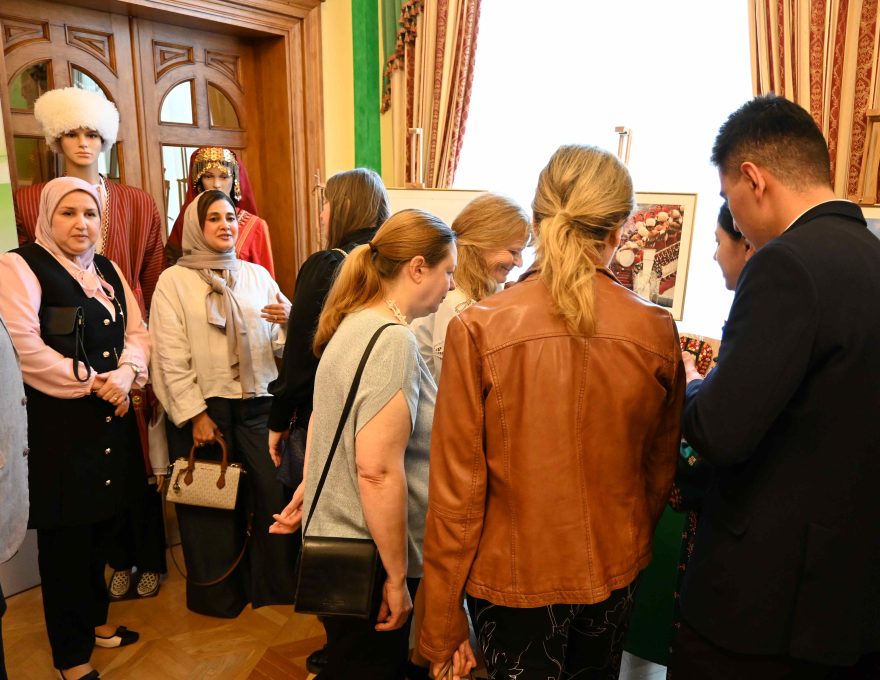
On 26 May 2026, the Embassy of Turkmenistan in Ukraine hosted a ceremonial cultural event entitled “The Art of Carpet-Weaving and Embroidery is a Symbol of the Diligence and Mastery of Turkmen Women”, dedicated to Turkmen Carpet Day — one of the significant professional holidays of Turkmenistan, embodying the richness of spiritual heritage, continuity of generations, and the unique craftsmanship of Turkmen artisans.
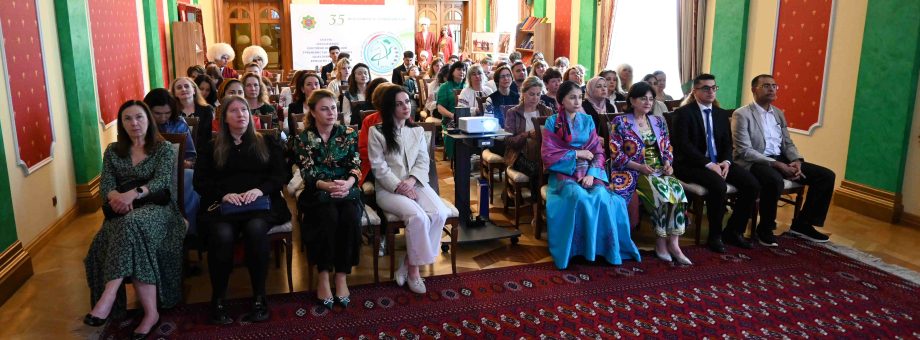
The event, organized within the framework of the year proclaimed in Turkmenistan under the motto “Independent, Permanently Neutral Turkmenistan — Homeland of Purposeful Heavenly Horses”, as well as the celebrations marking the 35th Anniversary of the country’s Independence, brought together members of the Club of Spouses of the Foreign Diplomatic Corps in Ukraine, representatives of the Ukrainian public, musical and educational institutions, libraries, educators, cultural and artistic figures, as well as guests demonstrating a genuine interest in the history and national traditions of the Turkmen people.
A special atmosphere was created by the symbolism of the May days, during which important cultural and public events are traditionally held. During this period, Turkmenistan celebrates the 145th Anniversary of the city of Ashgabat, Kurban Bayramy, and Turkmen Carpet Day. In Ukraine, Vyshyvanka Day — a celebration of folk memory and respect for traditional culture — was recently observed. The holding of a cultural event at the Embassy of Turkmenistan dedicated to the art of carpet-weaving and embroidery highlighted respect for the national heritage of the Turkmen people while also emphasizing the spiritual affinity between the cultural traditions of Turkmenistan and Ukraine.
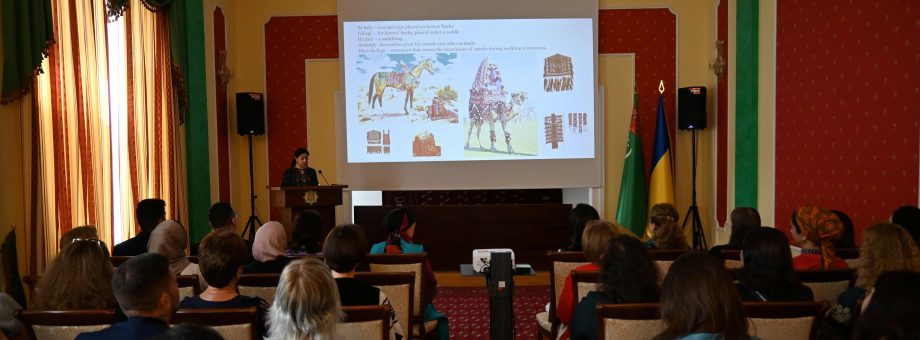
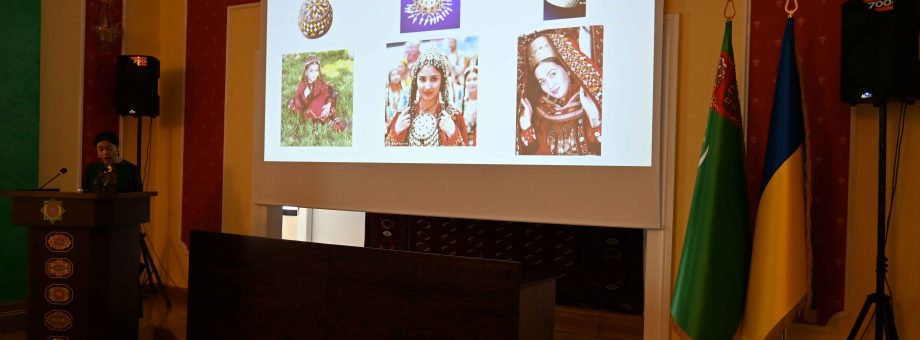
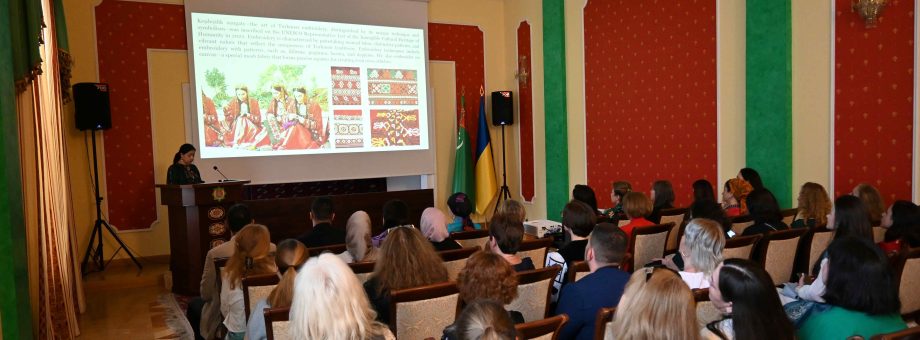
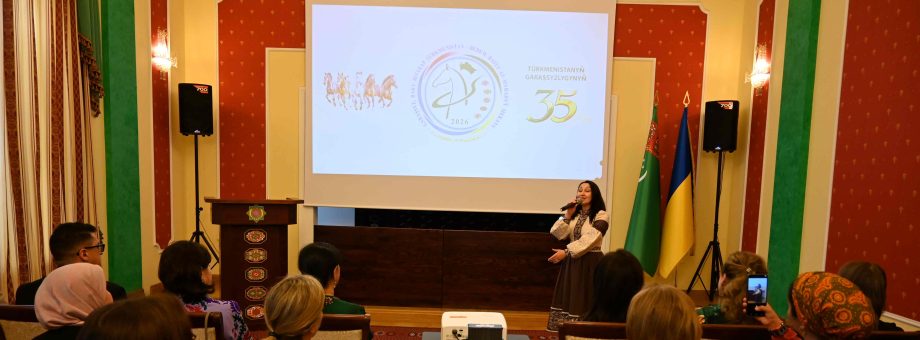
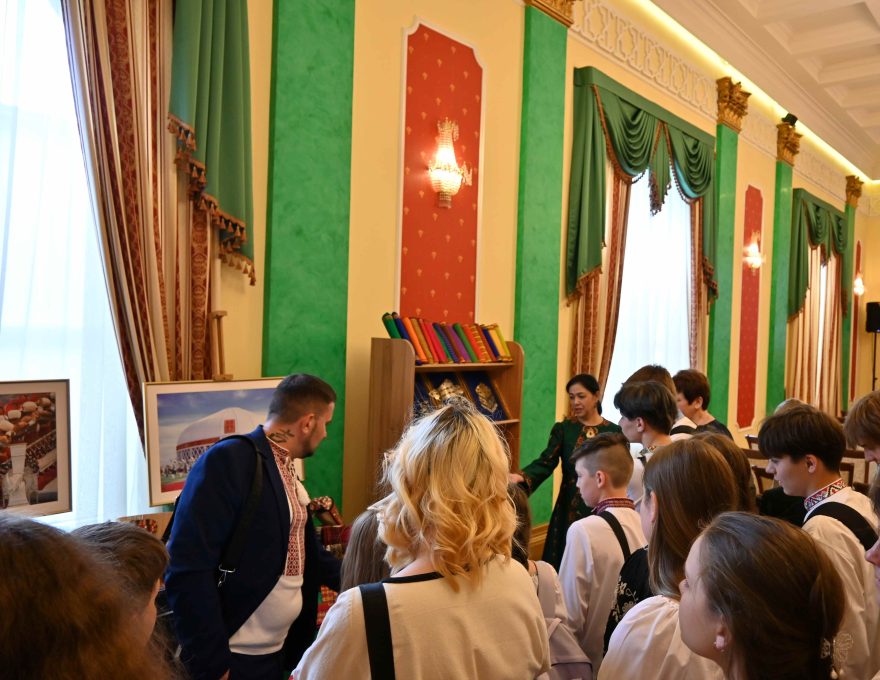
The participants were presented with a thematic cultural programme, including an informative presentation on the historical traditions of Turkmen carpet-weaving and the art of national embroidery, their profound symbolic meaning, and their special place in the cultural heritage of the Turkmen people. The event was accompanied by a photo and video presentation displayed on a large screen.
It was emphasized that, for centuries, the Turkmen carpet has represented not only a unique work of decorative and applied art, but also an important symbol of national identity and spirituality. The art of carpet-weaving has been carefully passed down from mother to daughter, preserving ancient traditions, the philosophy of the people, and respect for manual craftsmanship. Turkmen carpets, renowned worldwide, are created exclusively by hand and transmitted from generation to generation as an essential element of family and national traditions.
Particular attention was devoted to the unique technologies involved in the production of Turkmen carpets, including the use of natural wool and plant-based dyes, as well as the symbolism of traditional ornaments reflecting the connection between people, their homeland, living conditions, and the history of the nation.
The presentation also highlighted the distinctive methods of Turkmen carpet production — from the processing of wool from the Saridja sheep breed and the use of natural vegetable dyes to the intricate manual knotting process requiring exceptional patience, precision, and years of mastery.
Special emphasis was placed on the fact that in 2019, the Turkmen national art of carpet making was inscribed on UNESCO’s Representative List of the Intangible Cultural Heritage of Humanity, constituting international recognition of the uniqueness and artistic value of the national art of the Turkmen people.
Participants learned fascinating historical facts about Turkmen carpets, their varieties, regional ornamental features, and the meanings of individual symbols, as well as about the famous Turkmen Carpet Museum in Ashgabat, which houses unique exhibits, including the world’s largest handmade carpet recorded in the Guinness Book of Records.
It was noted that, thanks to the state policy pursued by the leadership of the country, large-scale efforts are being undertaken to develop and modernize the carpet and textile industries. The range of carpet products, production infrastructure, and material and technical capacities of specialized enterprises are being consistently expanded, while modern conditions are being created for the preservation and further development of the national art of carpet-weaving.
A special place in the presentation was devoted to Turkmen national embroidery — Keşdeçilik sungaty — which was included in UNESCO’s Intangible Cultural Heritage List in 2022. This art form represents an important part of traditional culture, reflecting the inner world of the Turkmen woman, her artistic taste, diligence, and respect for national values.
Attention was also paid to the symbolism of traditional Turkmen women’s costumes, jewellery, and headwear, which for centuries have served not only as elements of clothing but also as reflections of social ethics, status, lineage, family, and spiritual values.
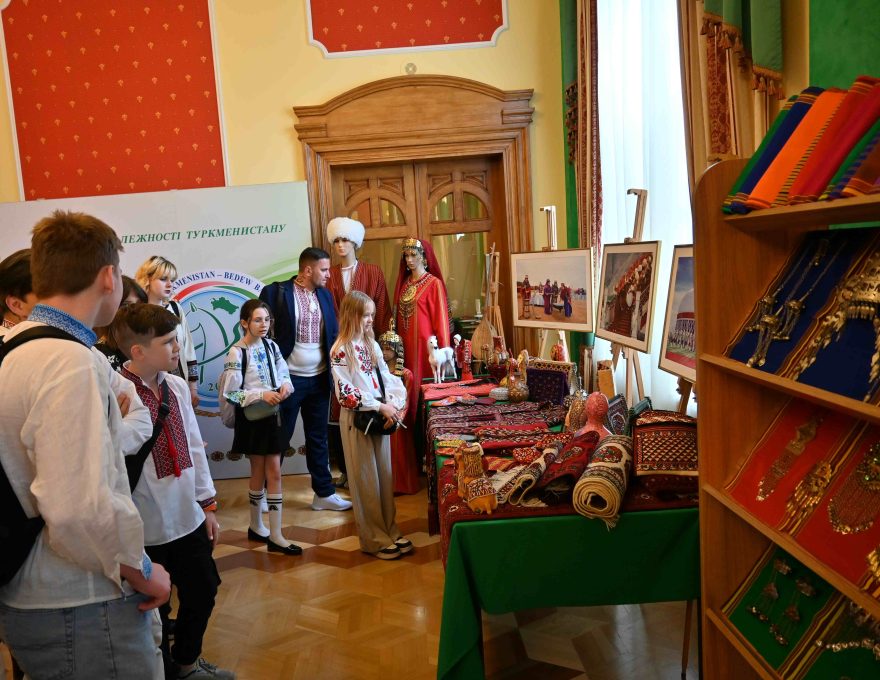
As part of the event, guests were presented with a thematic exhibition of Turkmen decorative and applied arts. The exhibition featured examples of handmade national carpets, traditional embroidery, items of national household use, traditional clothing and headwear, jewellery, works by folk artisans, and various forms of Turkmen textile art.
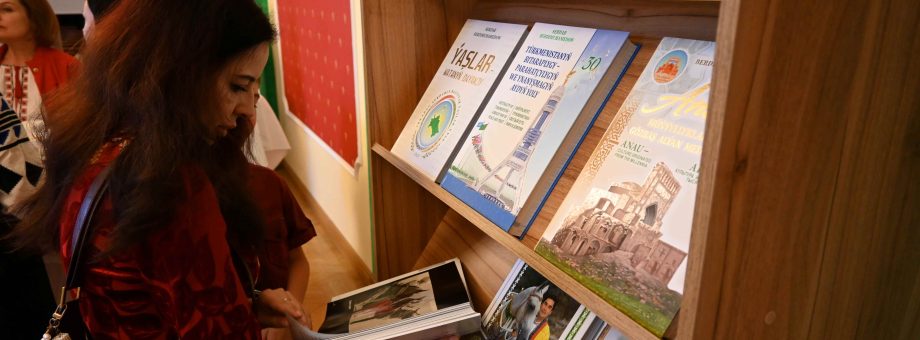
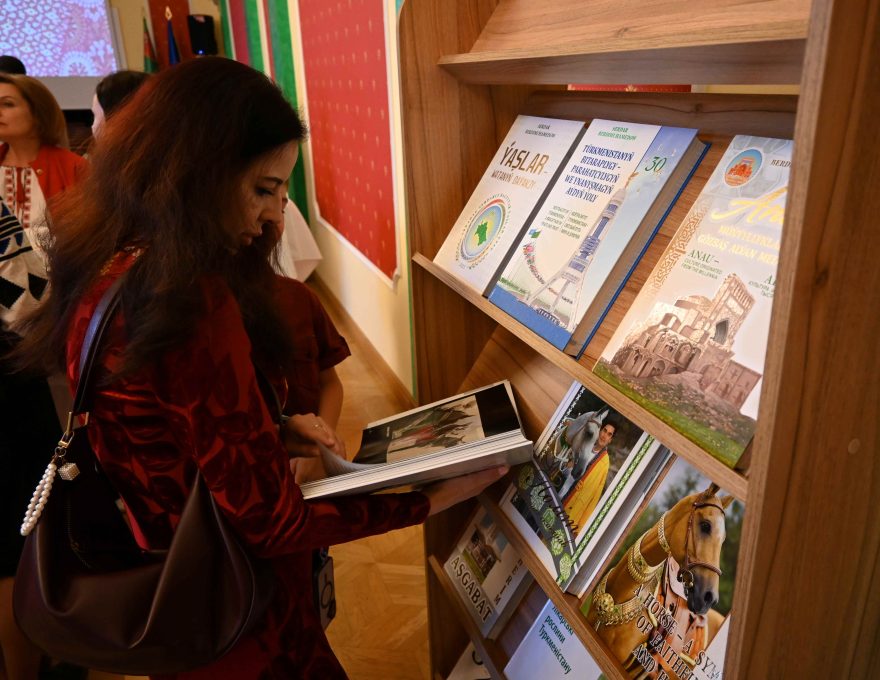
Visitors were also offered the opportunity to become more closely acquainted with the originality of Turkmen culture, its aesthetics, symbolism, and centuries-old traditions through a photo exhibition dedicated to the ancient traditions of Turkmen carpet-weaving, the art of national embroidery, and elements of traditional clothing and jewellery. In addition, books on the culture, history, and national heritage of Turkmenistan in Turkmen, Ukrainian, and English languages were displayed.
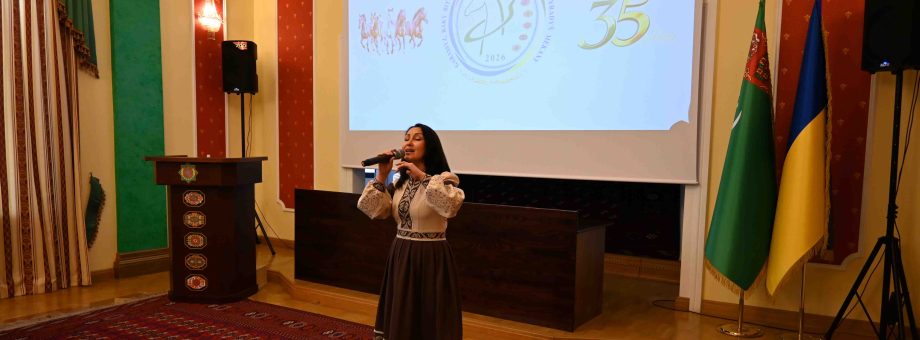
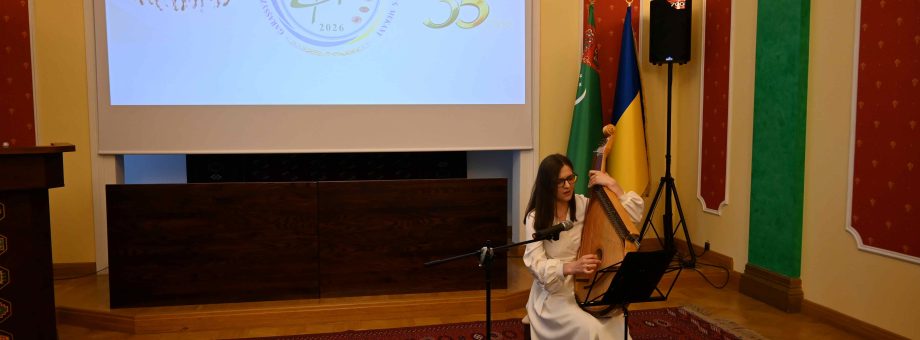
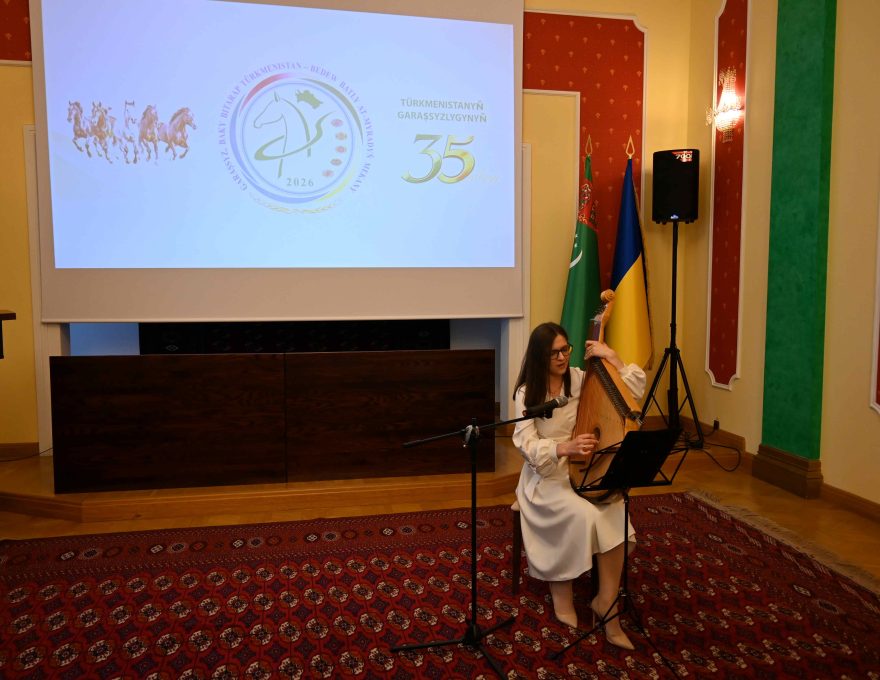
The musical part of the event became a vivid continuation of the programme, highlighting cultural affinity, an atmosphere of friendship, and respect for the traditions of the two nations. National Turkmen musical compositions performed on the dutar, as well as the Ukrainian vocal composition “Vodohrai”, were presented. A particularly warm response from the guests was received by the performance of Ukrainian artist Adriana Kapura, who accompanied herself on the bandura while performing the Ukrainian folk song “Dva Kolory” and the Turkmen song “Toy aýdymy.”
The event concluded with traditional Turkmen hospitality, offering guests a variety of dishes from the national Turkmen cuisine.
The event served as vivid testimony to the fact that the preservation of national heritage, respect for culture, folk art, and historical memory remain among the highest values of the people. The cultural evening dedicated to Turkmen Carpet Day once again reaffirmed the importance of humanitarian cooperation and cultural dialogue in strengthening friendship and mutual understanding.